How to Optimize the MCU SPI Driver to Reach High-Speed ADC Throughput
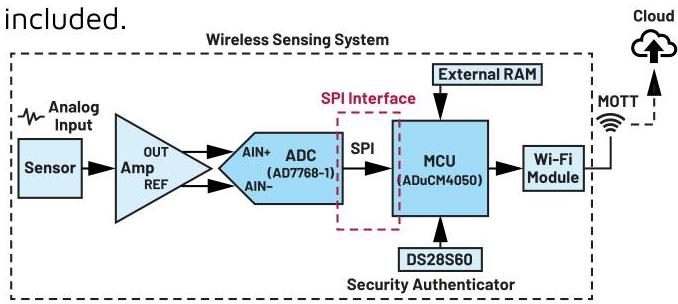
With the advancement of technology, the transmission of more precise data is needed in low power Internet of Things (IoT) and edge/ cloud computing. In Figure 1, the wireless sensing system is a hi…
How to Optimize Switching Power Supply Layout by Minimizing Hot Loop PCB ESRs and ESLs
How to Get the Best Results Using LTspice for EMC Simulation—Part 2: Improving Signal Integrity
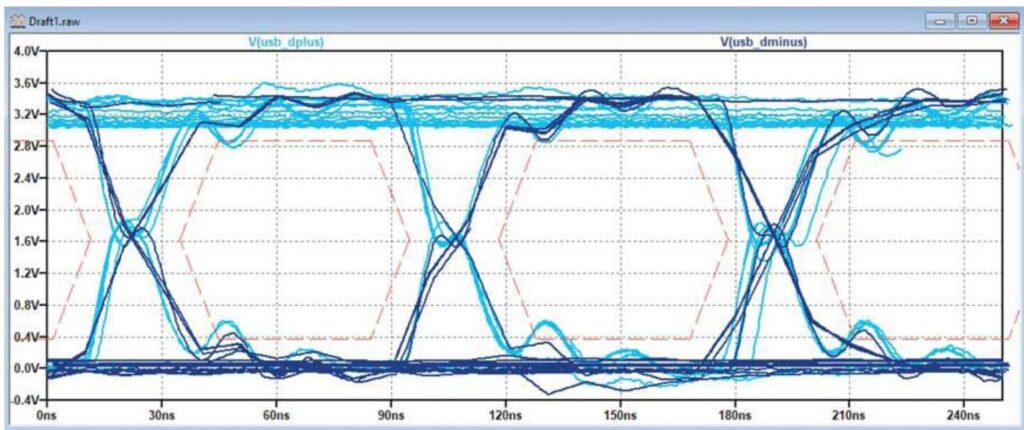
This is Part 2 of a series of three articles that provide LTspice EMC and signal integrity simulation models. In “How to Get the Best Results Using LTspice for EMC Simulation—Part 1”, we provided L…
How to Design Motor Encoders for Next-Generation Sustainable Applications
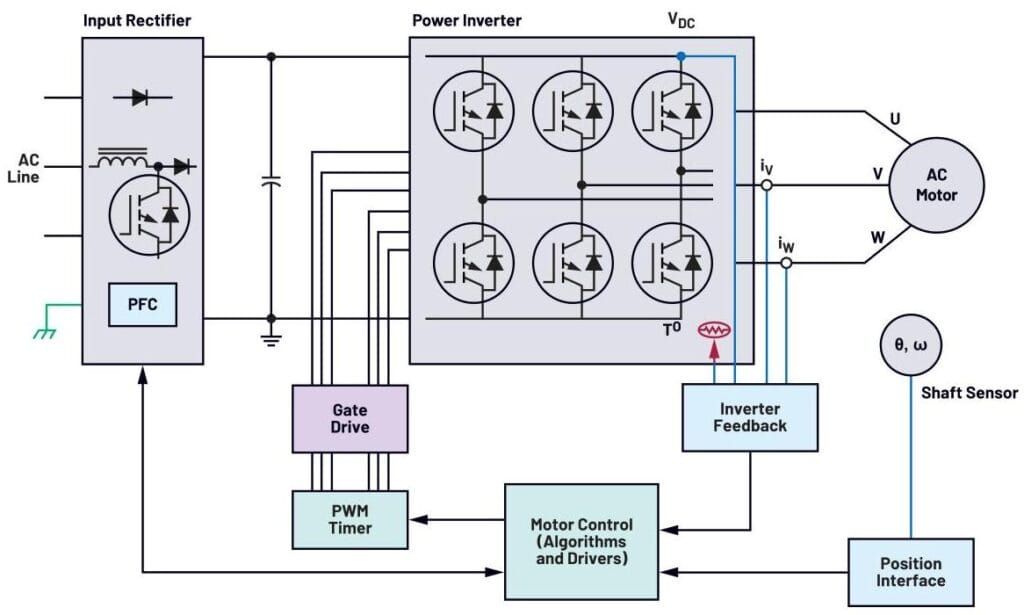
Moving from fixed speed to variable speed motors with position and current feedback provides a path to huge process and energy savings. This article provides an overview of motor encoders (position…
How Voltage Supervisors Address Power Supply Noise and Glitches
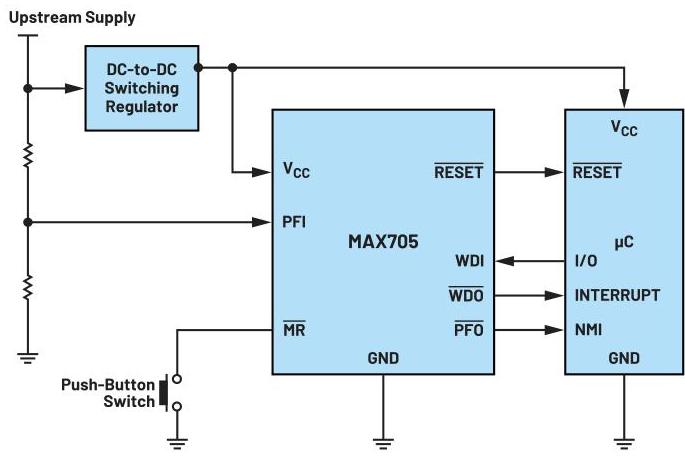
Using voltage supervisors adds reliability to microcontroller-based systems by monitoring the power supply failures and putting the microcontroller in reset mode to prevent system error and malfunc…
How Monolithic Driver + MOSFET (DrMOS) Technology Improves Power System Design
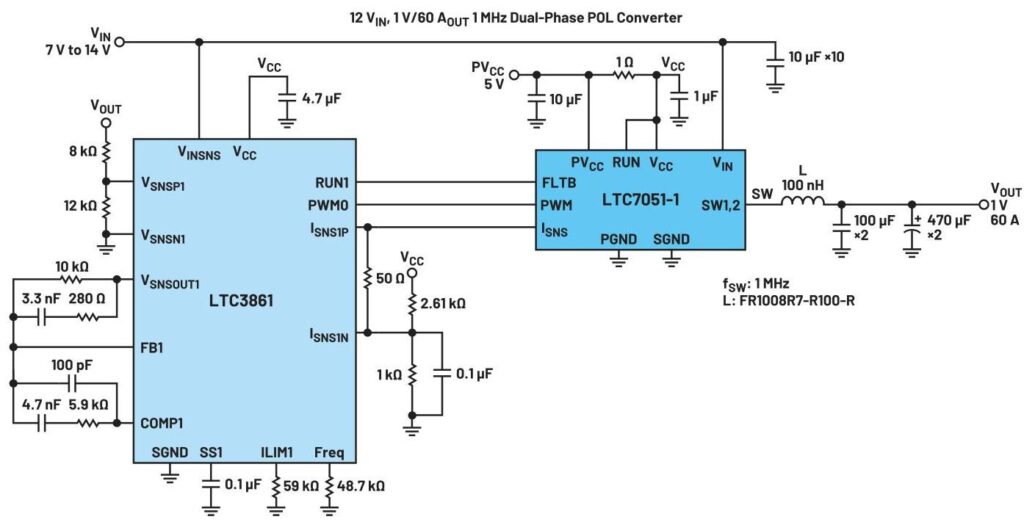
This article describes the latest driver plus MOSFET (DrMOS) technology and its advantages in voltage regulator module (VRM) applications. Monolithic DrMOS devices enable power systems to improve g…
Honey, Where is my Power Cord?

A more common modern-day question would probably be “Honey, where is my battery charger?” The reduction in cost and improvement in battery performance, especially Li-Ion based, at the turn of the c…
Generating Negative Voltages – Why You Need Level Shifting in Buck-Boost Circuits
Digital Control for Isolated Bidirectional Power Converters
This article explores the implementation of isolated and bidirectional DC-to-DC power transfer by adapting a dedicated digital controller to work in reverse power transfer (RPT), in addition to its…
Did You Know Optocouplers are Not Needed for Isolated DC-DC?